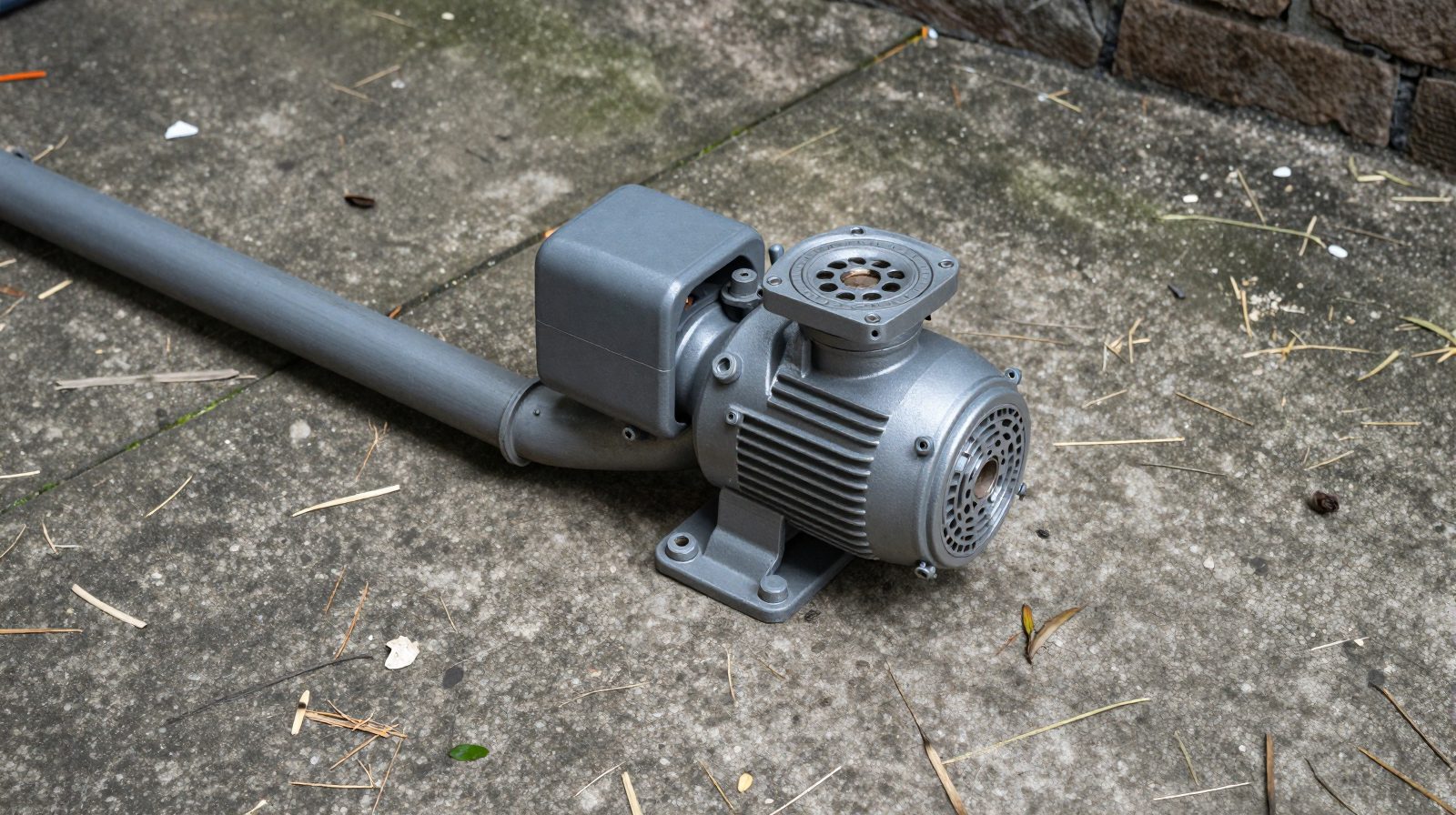
Illustration.
How many hours
HealthyWA says the filter system should completely filter all the pool water within 6 to 8 hours, and remain running for at least one hour after the last person gets out. Most pools in summer run the pump for that long each day, often longer in heatwaves or heavy use. In winter, with no swimmers and cooler water, many owners run it for fewer hours; HealthyWA suggests a pool not in use over winter has its pump run about an hour a week with a little chlorine, under a secure cover.
To check your own pool: divide your pool's litres by your pump and filter's flow rate (litres per hour, from the maker's chart at your filter's pressure). That is how many hours one full turnover takes. Work out your litres.
What it costs to run
The SA Government says a swimming pool typically uses 2,000 to 3,000 kWh of electricity a year, depending on the pump, how long it runs and whether the pool is heated. Canstar Blue estimated an average pool pump costs between 16 and 51 cents an hour to run at an electricity price of 24.9 c/kWh. Variable-speed pumps run slower for longer and use less power for the same turnover.

If you have rooftop solar, run the pump in the middle of the day when your panels are producing.
Turnover explained
The usual aim is to pass all the pool's water through the filter at least once a day, called one turnover. To work out how long that takes, divide the pool's volume by the pump's flow rate. For example, a 50,000 litre pool with a pump moving about 8,000 litres an hour turns over in a little over six hours. Real flow is lower than the label once the filter, pipes and fittings are counted, so add some margin. Our pool volume calculator works out your litres.
Summer and winter hours
In summer, warm water and heavy use mean more organic matter and faster algae growth, so pools usually need longer running times, often a full turnover or more each day, plus extra after heavy use or a storm. In winter, cooler water and less use mean many pools can run shorter hours, but never so short that the water stagnates or the chlorinator cannot make enough chlorine. Salt chlorinators only make chlorine while the pump runs, so their output setting and the pump hours must work together.
Variable speed pumps
A variable speed pump can run at low speed for most of the day and high speed only when needed, such as for vacuuming or running a suction cleaner. Running slowly for longer moves the same water using much less energy, because power use falls sharply as speed drops. Variable speed pumps cost more to buy but often pay back through lower power bills, especially on pools that run many hours a day. They are also much quieter, which neighbours appreciate.
When to run the pump
Running during the day helps chlorine circulate while the sun is burning it off and while people swim. Running in off-peak hours may cost less on a time-of-use tariff. If you have rooftop solar, running the pump in the middle of the day uses your own power. Many owners split the run into a daytime block and a shorter evening block. Use a timer, and check it after power cuts and daylight saving changes.
Signs the pump needs attention
- It is louder than usual, screeches or grinds (bearings).
- It hums but does not start (capacitor or seized motor).
- It loses prime or air bubbles appear in the pump basket (air leak on the suction side).
- Water leaks from the pump (shaft seal).
- Flow is weak even with a clean filter and basket (blocked impeller).
Turn the pump off at the power point before opening the basket lid. Electrical faults and motor repairs need a licensed technician.
Pump size
Bigger is not always better. A pump that is too powerful for the filter and pipes wastes power and can push dirt through the filter. A pump that is too small cannot turn the water over or run a suction cleaner properly. Match the pump to the pool's volume, the filter's rating and the plumbing, and ask the pool shop to check when replacing one.
How to work out your pump's flow rate
The flow rate printed on a pump's label is usually measured with no filter or pipes attached, so the real flow in your pool is lower. The pump's performance curve, in its manual or on the maker's website, shows flow at different levels of resistance. A pool shop can estimate the real flow from the pump model, the filter and the pipe sizes. Some owners fit a flow meter on the return line to measure it directly. With the real flow, divide the pool's volume by the flow per hour to find the hours for one turnover.
A worked example
Take a 45,000 litre pool with a single-speed pump moving about 9,000 litres an hour through the filter. One turnover takes 45,000 ÷ 9,000 = 5 hours. In summer, many owners would run it for six to eight hours, to cover heavy use and give the chlorinator enough time to make chlorine. In winter, four to five hours may be enough, as long as the water stays clear and chlorine holds. With a variable speed pump at a lower speed moving, say, 4,500 litres an hour, the same turnover takes 10 hours, but uses much less electricity.
Running costs in more detail
A pump's running cost depends on its power draw, the hours it runs and your electricity price. A single-speed pump drawing around one kilowatt for eight hours uses about eight kilowatt-hours a day. Multiply by your tariff to find the daily cost, and by 365 for the year. A variable speed pump running at low speed may draw a few hundred watts, so even running longer it can use much less energy. Pumps carry an energy rating label in Australia; a higher star rating means lower running costs for the same job.
Using a timer well
A timer stops the pump running all day by accident and makes sure it runs when you need it. Mechanical timers are cheap but drift after power cuts; digital timers and pump controllers hold their settings better and can run several blocks a day. Set the main block for the hours your pool needs, and add a short block after the busiest swimming times. Check the time after power outages and daylight saving changes.
Signs you are not running the pump long enough
- Chlorine drops quickly and is hard to keep in range.
- The water looks dull or slightly cloudy.
- Algae appears in corners and on steps.
- Dirt settles on the floor between cleans.
- A salt chlorinator cannot keep up, even at high output.
If you see these, increase the run time in steps of an hour and watch the results over a week.
Signs you are running it too long
Running longer than needed wastes power and wears the pump sooner, but rarely harms the water. If the pool stays crystal clear with steady chlorine, try trimming the run time by half an hour at a time, testing as you go, until you find the shortest time that keeps the water right.
Pump care
Empty the pump basket regularly, check the lid o-ring, keep the motor's air vents clear of leaves, and shade the pump from direct afternoon sun if you can. Never run the pump dry: if the pool level falls below the skimmer, the pump can suck air and overheat. A well-kept pump can last many years.
Pool pumps and noise
Single-speed pumps are often loud, especially at night, and noise can upset neighbours. Variable speed pumps at low speed are much quieter. Placing the pump on a solid base, away from bedroom windows, and in a ventilated enclosure that does not trap heat also helps. Check local council rules on pool pump operating hours at night, which apply in some areas.
Replacing a pump
When a pump fails, replacing it with a variable speed pump is often worth the extra cost because of the power savings. Match the new pump to the filter, the pipe size and any equipment that needs a certain flow, such as a suction cleaner, a salt chlorinator or a heater. A licensed electrician may be needed if the electrical connection changes.
Pumps, chlorinators and timers together
The pump, the salt chlorinator and any heater must run together, because the chlorinator and heater need water flowing through them. Many systems use one controller to run them in sequence. If your chlorinator has its own timer, set it to match the pump's hours, or let the pump controller power both.
Pump hours and solar power
If your home has rooftop solar, schedule the pump for the middle of the day when the panels produce the most. You use your own free power rather than buying it at night or exporting it for a small credit. A variable speed pump running long, low-speed hours across the sunniest part of the day can run largely on solar in summer.
Winter pump hours
In winter, cooler water and fewer swimmers mean less chlorine demand and slower algae growth. Many owners cut pump hours to about half of summer hours, while watching for any change in clarity. Keep running the pump daily: a pool left without circulation for weeks can turn green even in winter, and salt chlorinators need flow to make chlorine.
Pumps and pool cleaners
Suction cleaners need the pump running, often at a higher speed than a variable speed pump would otherwise use, so schedule the cleaner's run during the pump's higher-speed block. Robotic cleaners run independently, which lets the main pump run longer at low speed. If you switch from a suction cleaner to a robot, you can often shorten or slow the pump schedule and save power.
Pumps and heaters
If you heat the pool, the heater only works while water flows through it, so match the pump schedule to the heating times. Heat pumps in particular need a steady flow rate within the maker's range; too slow or too fast reduces efficiency.
Pump hours after storms and heavy use
After a storm, a pool party or a heatwave, the water carries more debris, sunscreen and organic matter than usual. Run the pump longer for a day or two, empty the skimmer and pump baskets, test the water, and return to the normal schedule once the water is clear and balanced.
Our short answer
Most backyard pools in summer need the pump running long enough for at least one full turnover a day, commonly six to eight hours for a single-speed pump and longer at low speed for a variable speed pump. In winter, often around half that. Test and adjust.
Common pump schedule mistakes
- Running the pump only at night to save power, then finding chlorine burns off unprotected during hot days.
- Setting the same hours all year, so the pool runs too little in summer and too much in winter.
- Forgetting to adjust the timer after a power cut or daylight saving.
- Running a suction cleaner on a variable speed pump at too low a speed for it to move.
- Cutting hours so short that the salt chlorinator cannot make enough chlorine.
Finding your pool's right number
Start from one turnover a day in summer, test chlorine and clarity daily for a week, then shorten or lengthen the run in half-hour steps. Repeat each season. Within a few weeks you will know the hours your pool needs.
Do I need to run the pump every day?
Yes. Even in winter, daily circulation keeps chlorine mixed, stops water stagnating in pipes and corners, and lets the filter remove what blows in. Skipping days is a common reason pools turn green after a cold snap ends. Shorter daily runs are better than longer runs every few days.
Common questions
How long should I run my pool pump?
Long enough to filter all the water once a day, which health guidance puts at 6 to 8 hours, plus at least an hour after swimming.
How long should I run my pool pump in winter?
Less than in summer. For a pool not in use, HealthyWA suggests about an hour a week with a little chlorine, under a secure cover.
Is it OK to run a pool pump 24 hours?
It filters more but costs more. Most pools only need it in heavy use or while clearing cloudy or green water.