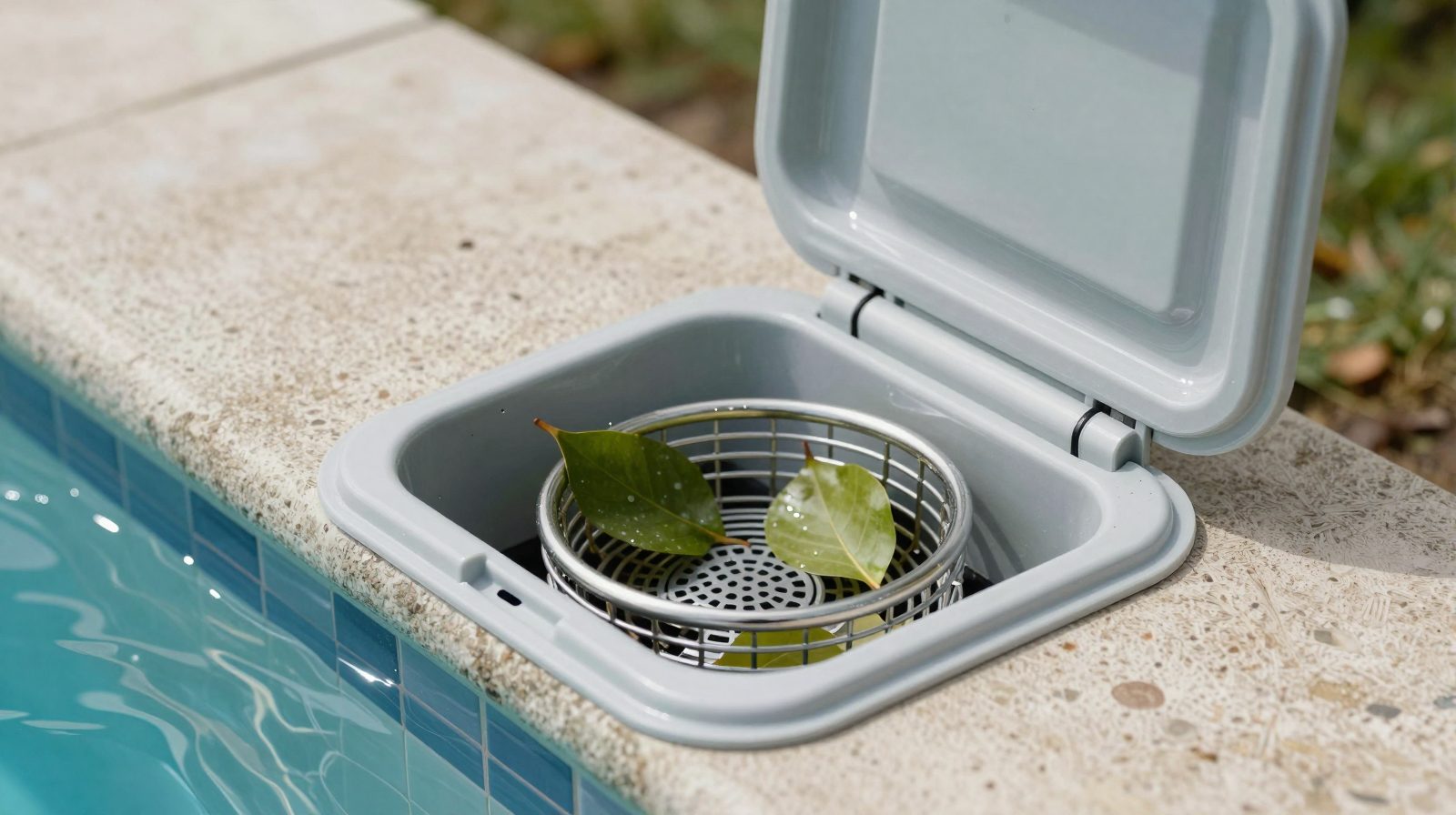
Illustration.
Pool service
If you pay a pool technician to look after the pool, What's The Damage, an Australian cost guide compiling local providers' and marketplaces' prices in July 2026, put a regular service at about $180 a month nationally, and a one-off clean at about $200 a visit, with city differences (for example about $205 a month in Sydney, $190 in Melbourne and $165 in Adelaide).
Electricity
The SA Government says a pool typically uses 2,000 to 3,000 kWh of electricity a year, depending on the pump, its hours and heating. Canstar Blue estimated a pool pump costs 16 to 51 cents an hour at 24.9 c/kWh; run six hours a day over a 90-day summer, that is roughly $89 to $277 for the season.
Chemicals
Chlorine (liquid, granular or salt for a chlorinator), pH adjusters, stabiliser and the occasional clarifier or algaecide. How much you use depends on your pool's litres, sun, swimmers and rain. Our chemical calculator works out each dose so you only buy what you need.
What pushes the total up
- A larger pool, or a pool in full sun.
- Leaves and storms.
- An old, single-speed pump.
- Green-pool recoveries.
- Heating without a cover.
When to call a pool technician
When the water will not clear after you have fixed the chemistry and the filter, when equipment leaks or trips power, when the salt cell or pump fails, or when you want regular servicing so you do not have to test and dose yourself.

Testing a few times a week and dosing small and often is cheaper than one big recovery from green.
A yearly budget, line by line
Every pool's costs come from the same lines. Add up your own using these headings:
- Chemicals: chlorine (liquid, granular or salt), acid for pH, buffer for alkalinity, stabiliser for outdoor pools, and occasional extras such as algaecide, clarifier and phosphate remover.
- Electricity: the pump, the chlorinator if you have one, a robotic cleaner, and heating if you heat the pool.
- Water: topping up evaporation and backwash losses.
- Consumables: test kit reagents or strips, filter media or cartridges, cleaner parts, and replacement baskets and o-rings.
- Professional help: regular pool service visits, or occasional visits for a water test and equipment check.
- Repairs and replacements: pumps, chlorinator cells, filters and heaters wear out over the years; set something aside each year so a failed pump is not a shock.
Doing it yourself versus a pool service
Owners who test the water, add chemicals, clean baskets and backwash themselves pay mainly for chemicals, power and water, plus their time, perhaps half an hour to an hour a week in summer. A pool service takes that work away, which suits busy owners, rental properties and anyone who does not enjoy pool chemistry. Many owners do the weekly basics themselves and book a professional for a seasonal check, a green-pool rescue, or equipment faults.
How pool type changes costs
Chlorine pools dosed by hand need regular chlorine purchases, but no chlorinator to buy or run.
Salt pools have the cost of the chlorinator and its cell, which wears out and needs replacing every few years, plus salt top-ups, but little chlorine to buy.
Mineral and magnesium pools use more expensive mineral salts, and the same chlorinator costs. See magnesium pools.
Heated pools add significant running costs, depending on the heater and how long the season is. See pool heating.
Saving on pool maintenance
- Use a pool cover. It cuts evaporation, keeps out leaves and dust, holds heat, and reduces chlorine loss in sunlight.
- Fit a variable speed pump. It can run at lower speeds for longer, using far less power than a single-speed pump for the same turnover.
- Run the pump on off-peak or solar hours where your tariff and solar system allow.
- Keep chemistry steady. Small, regular adjustments cost less than fixing a green pool.
- Buy chemicals in sensible bulk if you can store them safely.
- Keep the filter clean so the pump works less hard.
- Fix leaks early, because a leaking pool wastes water, chemicals and heat.
First-year costs for a new pool owner
If you have just bought a house with a pool, budget for a professional check of the equipment and water, a good test kit, a full set of basic chemicals, possibly new filter media or a cartridge, and a pool cover if there is not one. Older equipment may need replacing in the first year or two, so ask the inspector how old the pump, filter and chlorinator are.
Safety barriers
Pool owners in Australia must keep a compliant pool safety barrier, and some states require registration, inspection or a compliance certificate, especially when selling or leasing. Budget for gate latch and hinge repairs and an inspection where your state requires one. Rules differ by state, so check with your local council or state government.
When maintenance costs spike
Costs jump after a green-pool event, a storm that fills the pool with debris, a long heatwave, a pump or chlorinator failure, or a leak. Keeping a small emergency fund for the pool, and acting quickly when water starts to look dull, keeps these spikes small.
What a pool service visit includes
A typical regular service visit includes testing the water, adding chemicals to balance it, emptying skimmer and pump baskets, checking and backwashing or cleaning the filter, brushing walls and steps, vacuuming or checking the cleaner, and a quick look at the equipment. Some services include the chemicals in the visit price; others charge them separately. Ask for a list of what is included and whether chemicals cost extra.
Seasonal costs
Summer is the expensive season: more chlorine, longer pump hours, more cleaning, and possibly heating. Autumn brings leaves and more basket emptying. Winter is cheapest, with shorter pump hours and less chemical use, though the pool still needs regular checks. Spring often brings a catch-up clean and rebalance before the season, which may need a pool service visit if the pool was neglected over winter.
Typical replacement parts and when
| Part | When it usually needs replacing |
|---|---|
| Filter sand | Every several years, depending on use |
| Filter cartridge | Every few years, with good care |
| Chlorinator cell | After a number of years of use |
| Pump | Often after many years; bearings and seals sooner |
| Pool cleaner parts | Hoses, skirts and brushes as they wear |
| Pool cover | Several years, depending on sun exposure |
| Test kit reagents | Each season, as they expire |
These intervals vary widely with the equipment, the climate and how well it is looked after.
Holiday homes and rental pools
Pools in holiday homes and rentals often cost more to maintain, because they go unchecked for weeks and then need rescuing. A regular pool service, an automatic chlorinator set correctly, a timer on the pump and a pool cover reduce the risk. For rentals, agree in the lease who looks after the pool, and keep service records.
Reducing chemical costs
The biggest chemical savings come from keeping the pool covered, keeping stabiliser in range on outdoor pools so chlorine lasts, adding chlorine in the evening rather than the morning, and keeping pH in range so chlorine works efficiently. Testing regularly means small, cheap corrections instead of large, expensive rescues.
Getting quotes for a pool service
Ask several local services for their price per visit, what each visit includes, whether chemicals are included, how often they recommend visiting for your pool, and whether they offer a discount for regular bookings. Check reviews, ask whether they are insured, and agree how they will contact you about equipment faults.
Pool cost by pool type and size
Small plunge pools use fewer chemicals and less power than large family pools, but some costs are fixed: a test kit, a pump, a filter and a barrier cost much the same whatever the size. Pools with heating, water features, spas and multiple cleaners cost more. A large heated pool in a cool climate is at the top of the range; a small, covered, salt pool with a variable speed pump in a warm climate is near the bottom.
Keeping records
Write down test results, chemicals added, filter cleaning dates and equipment repairs. A simple notebook in the pump shed or a phone note helps you see patterns, such as pH creeping up in a salt pool or chlorine dropping in hot weeks, and helps a technician diagnose problems faster. It also shows buyers the pool has been looked after if you sell.
When to replace instead of repair
When an old pump, filter or chlorinator needs an expensive repair, compare it with replacing the unit with a modern, more efficient one. A new variable speed pump or energy-efficient chlorinator can cost more up front but lower yearly running costs, which can make replacement the cheaper choice over a few years.
The bottom line
A well-kept backyard pool costs money every year, mostly in chemicals, power and occasional repairs. Covering the pool, keeping the chemistry steady, running an efficient pump on a timer, and fixing problems early are the four habits that keep the yearly cost lowest.
Tasks and how often
| Task | How often |
|---|---|
| Test chlorine and pH | A few times a week in summer, weekly in winter |
| Empty skimmer and pump baskets | Every few days, daily in leaf season |
| Brush walls and steps | Weekly |
| Vacuum or run the cleaner | Weekly or as needed |
| Backwash or clean the filter | When the pressure rises |
| Test alkalinity, calcium, stabiliser | Monthly |
| Clean the chlorinator cell | When scale builds up |
| Check equipment and barrier | Each season |
Doing these yourself is the cheapest way to own a pool; paying for them is the most convenient.
Pool covers: cost and savings
A pool cover is one of the few purchases that pays for itself directly. It reduces evaporation, which means less water to buy and fewer chemicals lost; it keeps leaves and dust out, which means less cleaning and filter work; and it holds heat. Bubble covers are the cheapest; thermal and slatted covers cost more and last longer. A roller makes daily use easy.
Pool maintenance and resale
Buyers notice a pool's condition. A clear pool with clean equipment, a compliant barrier and service records reassures them; a green pool or failing equipment can lower offers. Regular maintenance protects the value of the pool as well as your enjoyment of it.
Hidden costs owners forget
- Topping up water lost to evaporation and backwashing, which can be significant in a hot summer without a cover.
- Replacing test kit reagents that expire, so readings stay accurate.
- Electrician or plumber call-outs when a pump, timer or chlorinator fails.
- Leaf nets, covers and rollers that wear out in the sun.
- Barrier repairs such as self-closing hinges and latches that stop working properly.
- Extra chlorine and power during heatwaves, holidays at home and pool parties.
Setting aside a small amount each month for these keeps the yearly cost predictable.
Our short answer
Most of a pool's yearly cost comes from chemicals, electricity and occasional repairs, with pool service visits on top if you use them. A cover, an efficient pump on a timer and steady water chemistry keep it down.
A simple monthly routine for owners
Each month, test the full set of readings, check the filter pressure and clean it if needed, inspect the chlorinator cell, look over the pump for leaks and listen for new noises, check the barrier gate closes and latches by itself, and top up the water. Weekly, test chlorine and pH, empty baskets, brush and run the cleaner. This routine takes little time once it becomes a habit and catches most problems while they are cheap to fix.
Getting help when you need it
Even confident owners benefit from a professional check once a year: a pool technician can spot a failing pump bearing, a cracked filter lateral or a cell near the end of its life before it fails in the middle of summer.
Comparing your costs
If your yearly pool costs seem high, look first at electricity: an old single-speed pump running long hours is often the single largest cost. Then look at chemicals: a pool that keeps losing chlorine may need stabiliser, a cover or a filter clean. Fixing the cause usually lowers both.
Common questions
How much does pool maintenance cost per year in Australia?
A regular pool service at about $180 a month is around $2,160 a year (national figure compiled by What's The Damage, July 2026), plus electricity and chemicals if you do it yourself.
How much does a pool cost to run each year?
Electricity for the pump is the biggest steady cost: the SA Government puts typical pool use at 2,000 to 3,000 kWh a year, before chemicals and any service.